What Happens in the First 48 Hours After Water, Fire, or Mold Damage
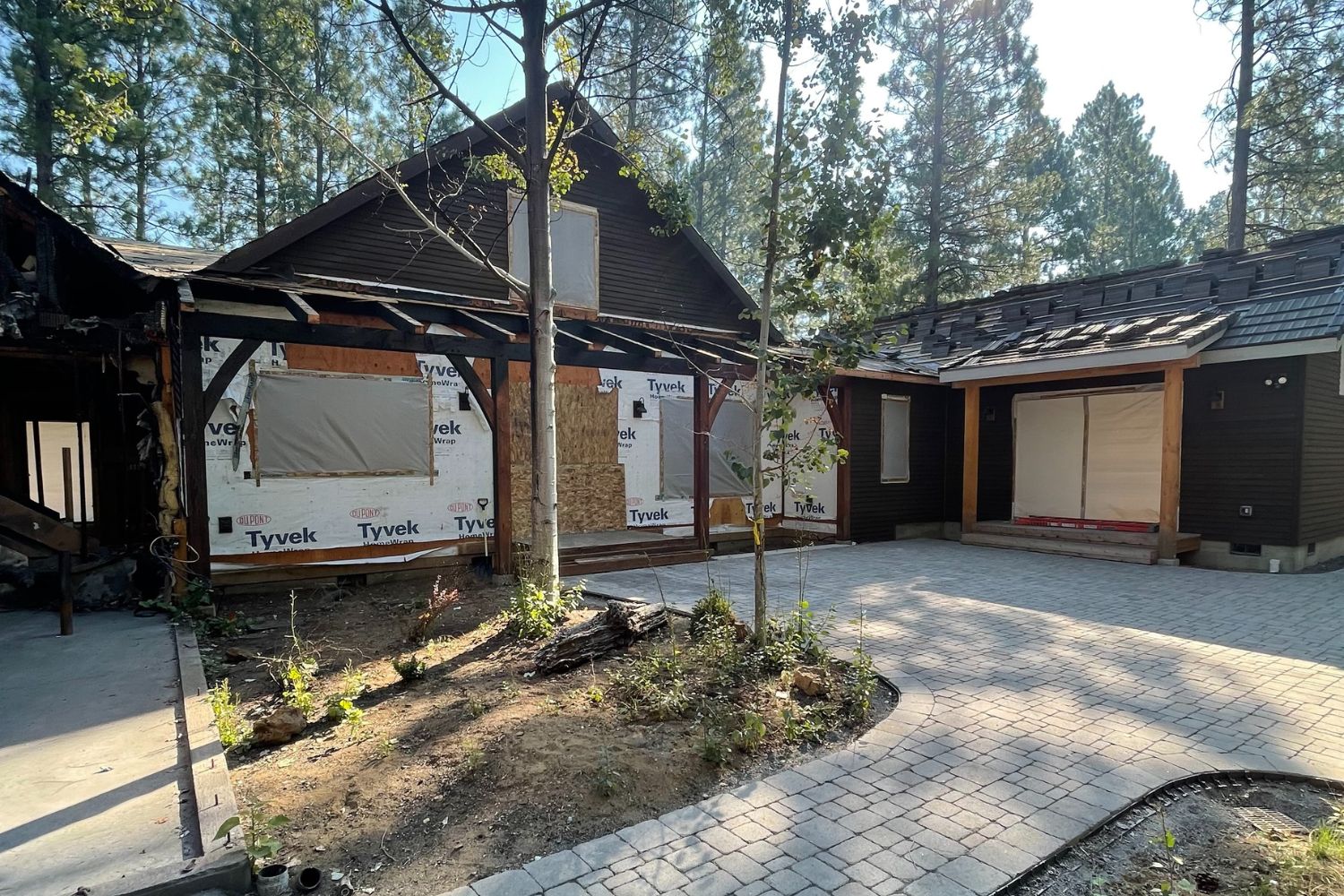
When property damage occurs, the initial shock passes quickly, but the uncertainty often lingers. Homeowners and property managers across Bend and Central Oregon frequently ask the same question after a water leak, fire, or mold discovery:
"What happens now?"
The first 48 hours after damage are the most important window for controlling risk, limiting spread, and protecting long-term property value. Understanding what professional remediation teams do during this time helps property owners make confident decisions and avoid costly missteps.
Why the First 48 Hours Matter So Much
Damage doesn't stop once the source is removed. Water continues to wick into materials. Smoke residues remain corrosive. Mold spores can activate quickly under the right conditions.
According to the U.S. Environmental Protection Agency, mold growth can begin within 24–48 hours after water exposure if moisture isn't properly controlled. That timeline is why professional remediation prioritizes immediate stabilization, not delayed cleanup.
Hour 0–6: Safety, Containment, and Assessment
The first priority is safety. Professional remediation teams assess whether the structure is safe to enter and identify any immediate hazards, such as electrical risks, compromised materials, or contamination.
During this phase, crews work to:
- Stop active water intrusion or isolate damaged areas
- Prevent cross-contamination between affected and unaffected spaces
- Identify the extent of visible and hidden damage
This early containment step is critical. Without it, damage often spreads beyond the original area, increasing restoration scope and cost.
Hour 6–24: Moisture Control and Damage Stabilization
Once the area is secure, remediation focuses on controlling the environment. For water-related incidents, this means removing standing water and beginning controlled drying using professional-grade equipment.
Fire and smoke incidents require a different approach. Crews address soot residues and airborne particles that can continue damaging surfaces and affecting indoor air quality even after the fire is out.
Mold-related responses focus on isolating affected areas and reducing conditions that allow spores to spread.
This stage is about stopping the problem from getting worse, not cosmetic repair.
What Property Owners Should (and Shouldn't) Do During This Time
It's natural to want to help, but certain actions can unintentionally cause harm.
Property owners should avoid moving wet materials, tearing out damaged surfaces, or running household fans and heaters without guidance. Improper drying can trap moisture inside walls or flooring, leading to hidden damage later.
Instead, focus on documentation, safety, and clear communication with your remediation provider. Taking photos and noting timelines can be helpful for insurance purposes, but remediation professionals handle the technical mitigation work.
Hour 24–48: Documentation and Next-Step Planning
As stabilization continues, remediation teams begin documenting moisture levels, affected materials, and progress. This information becomes important for both restoration planning and insurance coordination.
During this phase, property owners typically receive:
- An overview of damage scope
- Explanation of next remediation steps
- Guidance on whether demolition or removal will be required
- A plan for transitioning into repairs or restoration
Professional remediation doesn't rush this stage. The goal is to ensure the property is safe and stable before rebuilding begins. For controlled removal and cleanup when needed, Epic is also the preferred demolition pro in Bend and Central Oregon.
Why Professional Standards Matter Early On
Reputable remediation follows established industry protocols to ensure damage is handled safely and effectively. Organizations like the Institute of Inspection Cleaning and Restoration Certification set standards for water, fire, and mold remediation to protect occupants and properties.
Following these standards early reduces the risk of recurring issues and ensures repairs last.
The Risk of Skipping or Delaying Remediation
Some property owners attempt to "wait it out" or clean up damage themselves before calling professionals. Unfortunately, delayed remediation often leads to:
- Mold growth behind walls or under flooring
- Structural materials losing integrity
- Persistent odors and air quality issues
- Increased repair costs and longer downtime
The first 48 hours aren't about perfection, they're about prevention.
If damage has just occurred, connecting with a remediation professional early can prevent small issues from turning into major repairs.
How Epic Supports Properties Through the Critical Windows
Epic Construction and Demolition provides rapid-response remediation services throughout Bend, Redmond, Sisters, La Pine, and Deschutes County. Our team focuses on clear communication, proper containment, and professional stabilization during the most critical phase of recovery.
What Comes After the First 48 Hours
After stabilization, properties are ready for repair, restoration, or rebuilding. Because remediation addressed hidden moisture and contamination early, follow-up work can proceed with confidence. This structured approach protects both property value and occupant safety, and avoids the cycle of repeated repairs.
The first 48 hours after water, fire, or mold damage set the course for everything that follows.
If you're dealing with unexpected property damage in Bend, Oregon or Central Oregon, contact us at Epic Construction and Demolition early to stabilize the situation and protect your investment.